
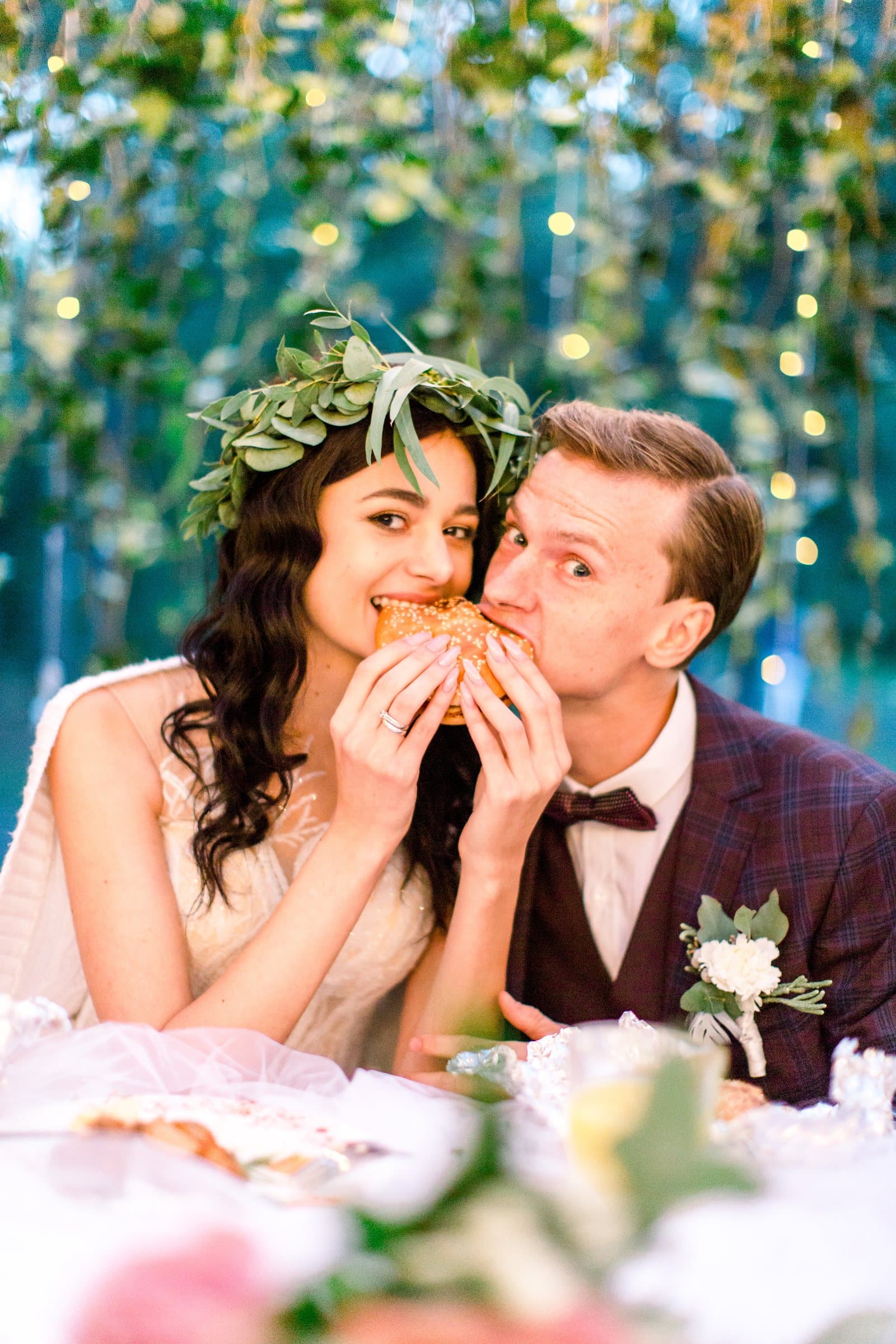
First decision: what job is the hog roast doing?
Couples come to us with three quite different briefs, and it helps to know which is yours before anything else.
As the wedding breakfast. The hog roast is the main meal of the day, served either plated to tables or as a carved buffet with a full spread of sides. This is a proper sit-down feast and it's planned accordingly: generous portions, several salads and potatoes, sauces on the table, and usually a vegetarian or vegan main alongside.
As evening food. By far the most common. The day's main meal has been served (sometimes by a different caterer or the venue), and later in the evening the carving counter opens for pork rolls with crackling, stuffing and apple sauce. It's hand-held, informal and exactly what people want after a few hours of dancing.
As a day-after gathering. Increasingly popular for weekend weddings, especially at venues where guests stay over or where a marquee is up for a few days. A relaxed hog roast or BBQ lunch for family and close friends the following day is a lovely, low-pressure way to wind down.
Our wedding hog roast page covers what we offer for each.
How a wedding day hog roast runs
An illustrative timeline for evening food at a marquee or barn wedding. Your times will depend on the ceremony, speeches and venue.
Morning: arrival and setup
The team arrives, sets up the cooking area away from the main guest flow, and the pig goes on. Slow roasting takes hours, which is why we're on site long before your first guest.
Afternoon: roasting away quietly
While the ceremony, drinks and speeches happen, the roast is cooking. Many couples like the smell drifting over during the reception; others prefer it out of sight until later. Tell us which.
Early evening: prep for service
Sides, sauces and rolls are prepared, the serving counter is set, and we liaise with your coordinator or venue manager about the exact service time.
Evening: carving and service
Pork is carved to order at the counter. Veggie and vegan options are served from a separate, labelled point where needed. Service usually runs for a set window, with seconds for those who want them.
Late evening: clearing away
We clear our cooking and serving area and take our waste away, so your venue isn't left with the aftermath.
Timings that catch couples out
The single most common issue at weddings is timing drift. Speeches run long, photographs take longer than planned, the first dance slips. A hog roast is forgiving (it can hold well once cooked), but it helps enormously if one person, whether a coordinator, venue manager or trusted friend, is the point of contact on the day to confirm when food should go out.
For evening food, most couples aim for a point a couple of hours after the evening guests arrive, often after the first dance. Too early and day guests aren't hungry yet; too late and people have started heading home. If your evening guests are arriving hungry from work, earlier is kinder.
If the hog roast is the main meal, agree the running order with your venue: when guests sit down, how long speeches take and whether they're before or after food. Carving for plated service to many tables needs a clear plan, so give us your table layout in advance.
Service styles for weddings
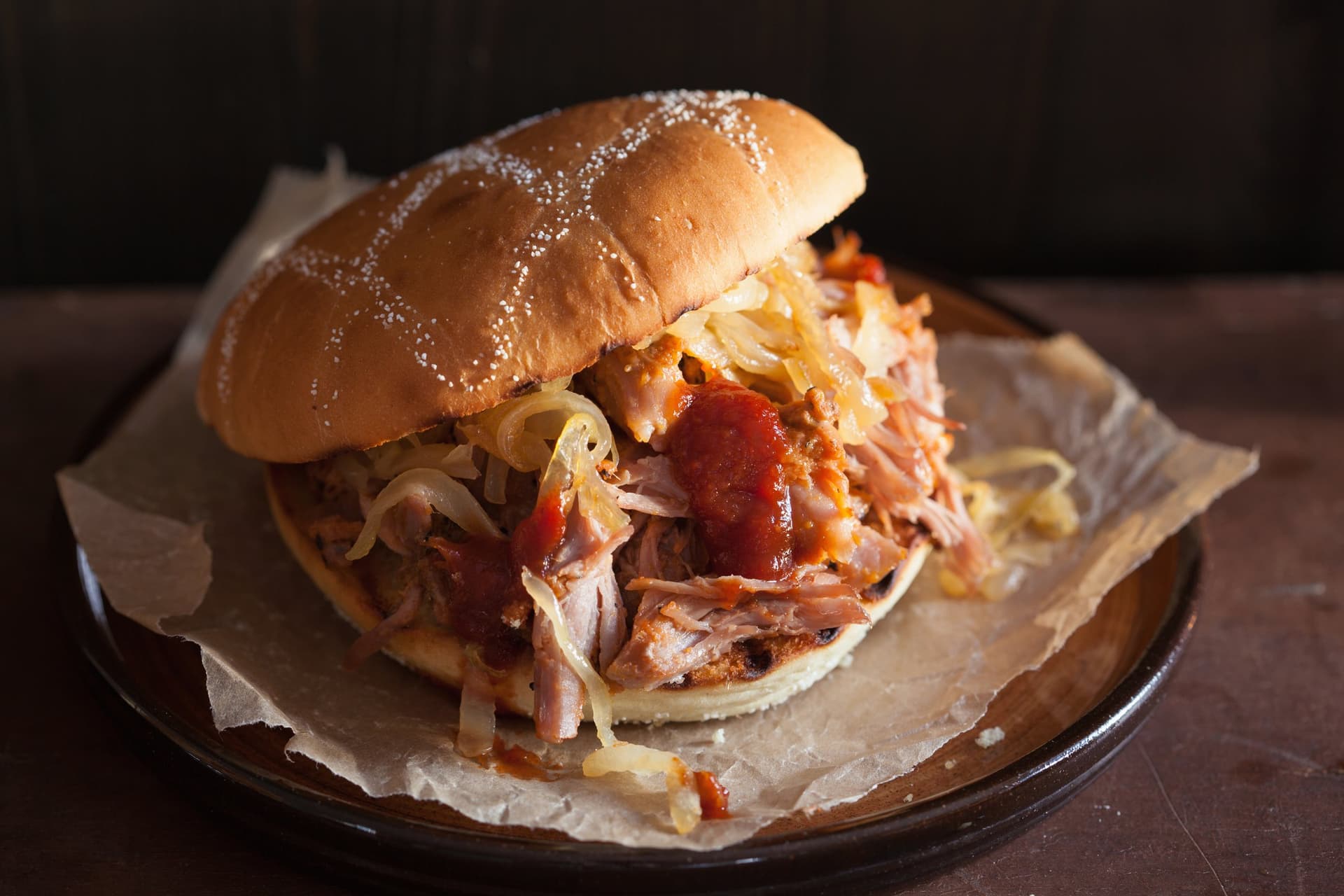
Carving counter with rolls
Guests queue at the counter and are served to order. Relaxed, quick and ideal for evening food.
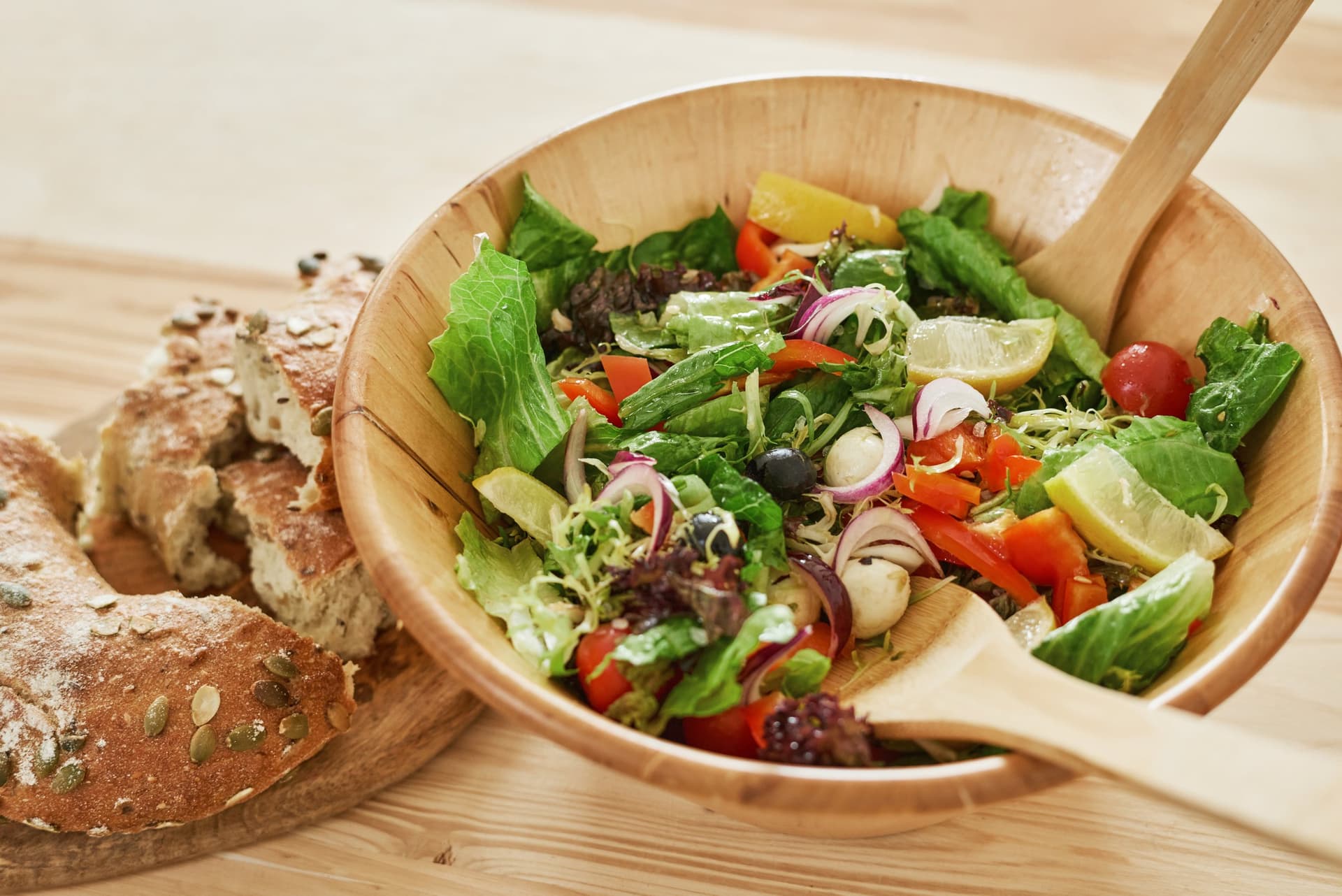
Carved buffet
Pork is carved and laid out alongside salads, potatoes and sauces for guests to help themselves or be served along the line. Good for an informal wedding breakfast.
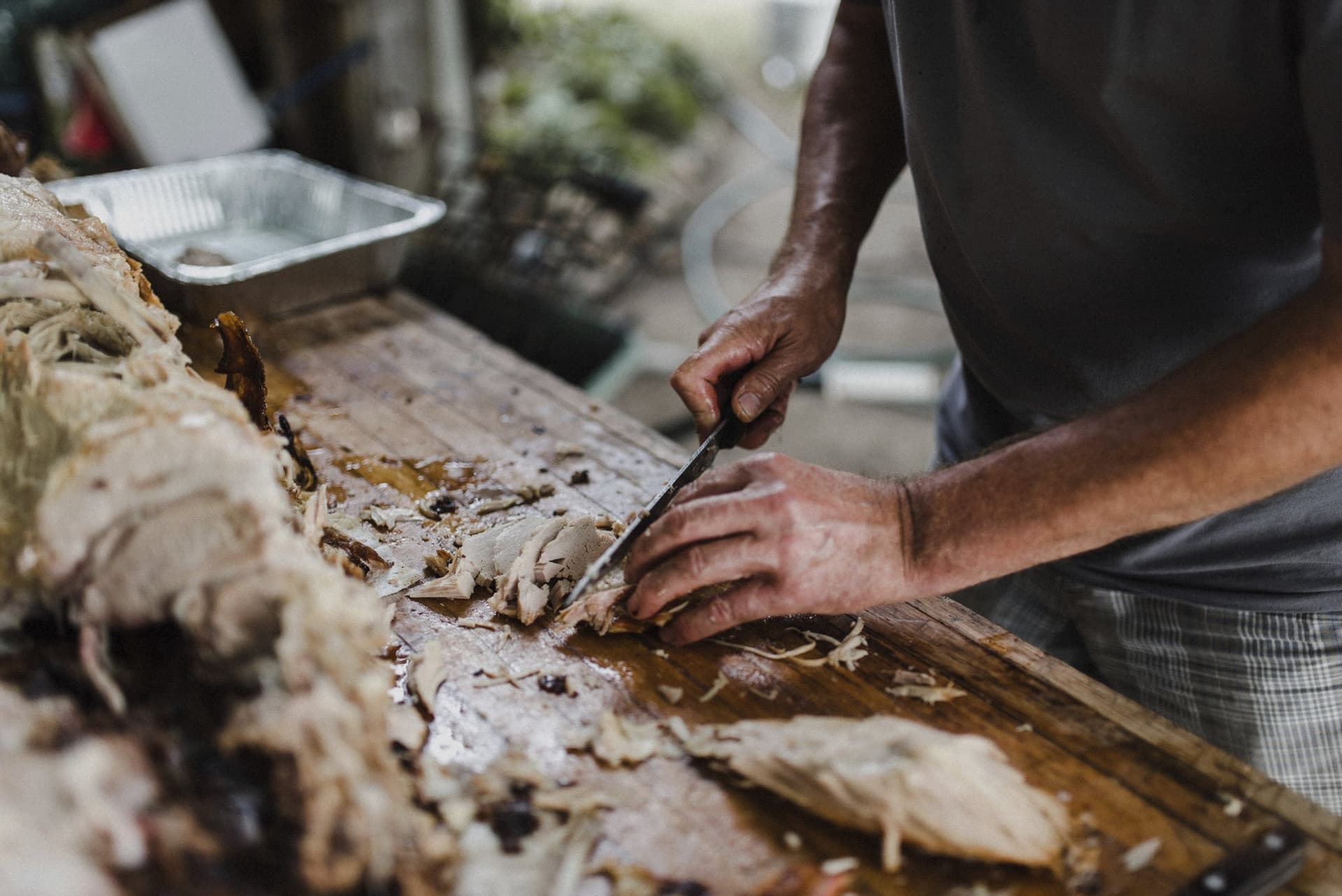
Plated to tables
Carved in the kitchen or service area and plated for each guest. More staff, more coordination, and a more formal feel.
Venue rules to check early
Before you fall in love with the idea, check that your venue welcomes outside caterers and, if so, on what terms. Some venues have an approved supplier list; some charge a fee for external catering; some have restrictions on open flames, cooking positions or finish times. Barns and country houses often have firm views on where a cooking area can go.
If you're in a marquee on private land, you have more freedom, but also more to organise yourself. The outdoor catering checklist covers access, ground, power and shelter.
Ask your venue whether they'll need a copy of your caterer's public liability insurance and food hygiene details. That's routine, and any established caterer will have them ready.
Ask your venue
- Are outside caterers allowed, and is there a fee?
- Where can the cooking area be positioned?
- Is there vehicle access to that spot?
- Is power available nearby?
- What time must everything be cleared?
- Do they need insurance or hygiene documents?
Planning for dietary needs
Collect dietary requirements with your RSVPs. It's much easier than chasing them later. Ask specifically about vegetarian, vegan, gluten, dairy and any allergies, plus anyone who doesn't eat pork.
We plan vegetarian and vegan alternatives as proper dishes, cooked and served separately where requested, and label everything at the counter. For allergies, we'll discuss specifics with you; like any kitchen, we handle a range of ingredients, so we can't rule out traces, but we can plan carefully and be clear about what's in each dish.
If a meaningful number of guests don't eat pork, consider adding a lamb roast or a small BBQ selection so they have a genuine main rather than a side-dish compromise.
Questions to ask your wedding caterer
- What's included: staff, serving equipment, crockery or disposables, sauces and sides?
- How many staff will be serving, and for how long?
- What time will you arrive, and how much space do you need?
- How do you handle vegetarian, vegan and allergy requirements?
- Who is our point of contact on the day?
- What happens if timings slip?
- Do you clear up and take waste away?
- When do you need final numbers?
- Can we see the sample menus and discuss changes?
Wedding hog roast FAQs
Is a hog roast formal enough for a wedding breakfast?
It can be. Plated service with carved pork, proper sides and table sauces feels every bit as special as a traditional three-course dinner, and it's far more memorable. It depends on the tone of your day.
Can we have a hog roast and a different caterer for the main meal?
Yes, and many couples do exactly that. We'll liaise with the other caterer and the venue about space and timings.
How far ahead should we book?
Popular summer Saturdays can go well in advance, so enquire as soon as your date and venue are fixed.
Do you serve the day after?
We do. A relaxed hog roast or BBQ lunch for guests staying on is a lovely end to a wedding weekend. Mention it when you ask for a quote.