
At a glance
| Pork (hog roast) | Lamb roast | |
|---|---|---|
| Flavour | Mild, sweet and savoury; takes sauces well | Deeper, richer and more distinctive |
| Texture | Soft, juicy meat with crisp crackling | Tender, with a caramelised exterior |
| Classic partners | Apple sauce, stuffing, crackling, gravy | Mint sauce, gravy, fresh salads |
| Typical serving | Rolls from a carving counter, or plated | More often plated or on a carved buffet |
| Crowd appeal | Very broad; familiar to most guests | Loved by lamb fans; a little less universal |
| Dietary notes | Not eaten by some religious and cultural groups | Acceptable to more guests who avoid pork; ask about halal requirements |
| Feel | Relaxed, generous, traditional | A little more special-occasion |
See the sample hog roast menu and lamb roast menu.
Flavour and texture
Pork is the crowd-pleaser. Slow roasting renders the fat and keeps the meat moist, and the skin becomes crackling, which for many guests is the main reason to queue. The flavour is gentle enough to pair with almost anything: apple sauce, stuffing, BBQ sauce, mustard, gravy.
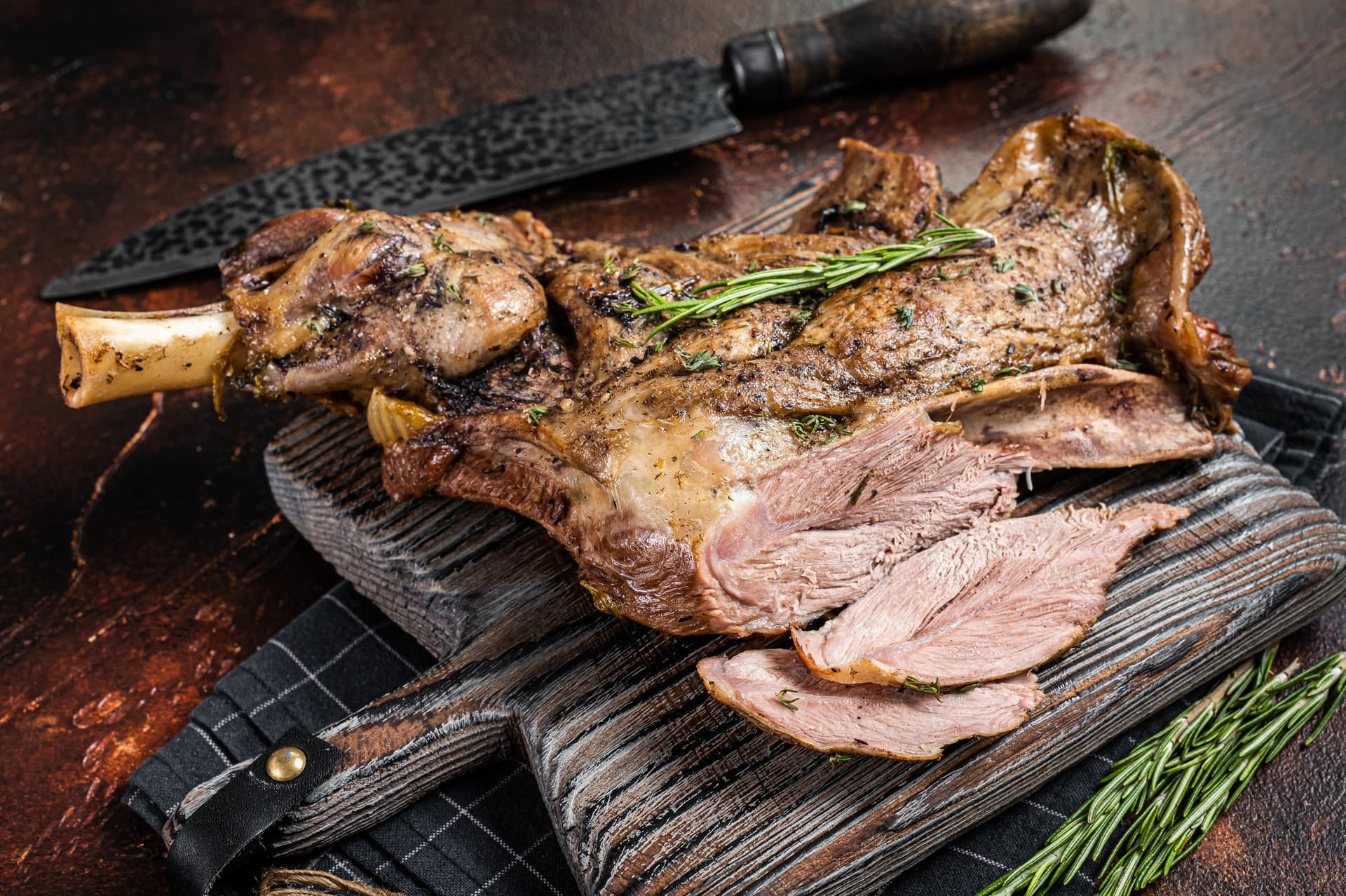
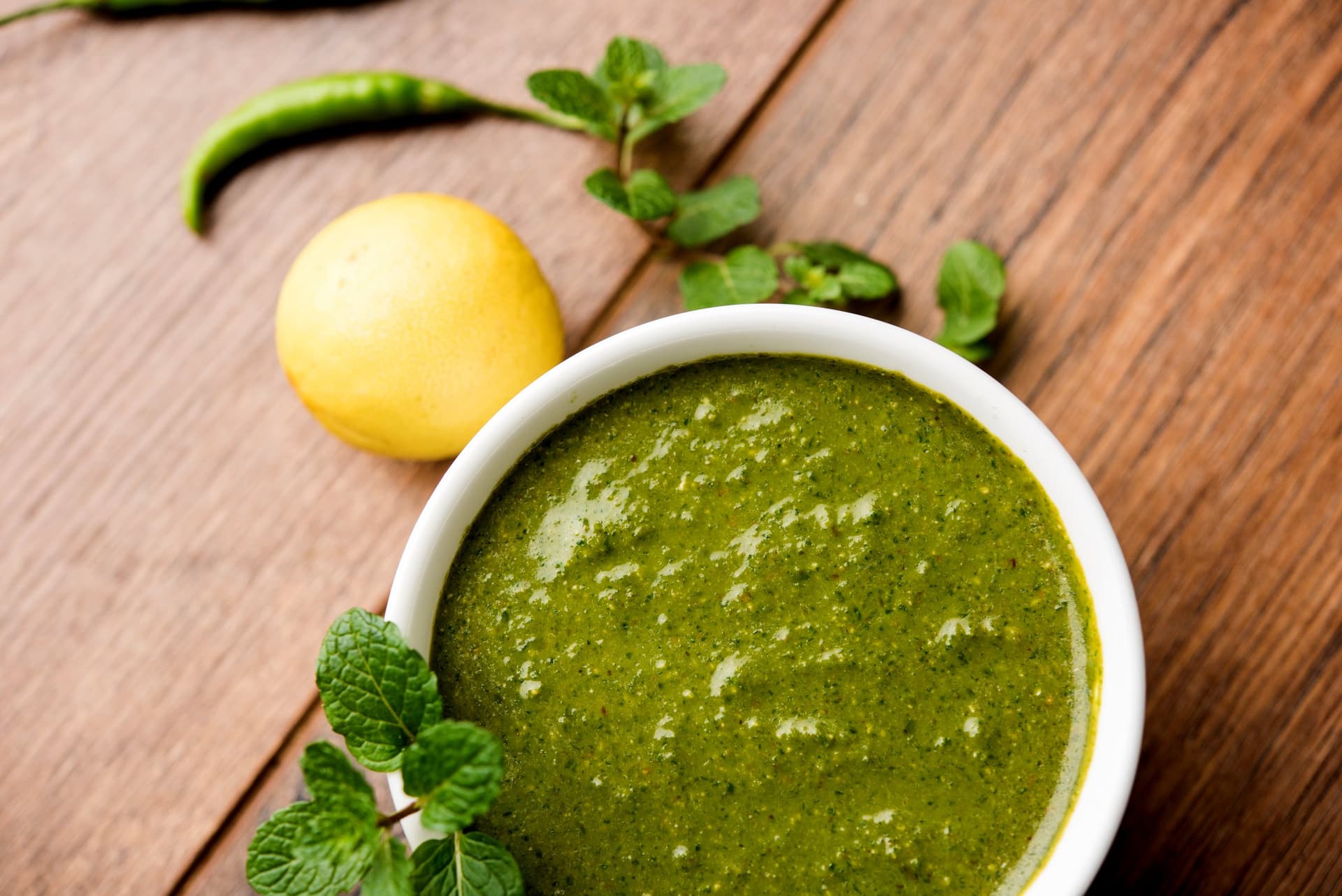
Lamb has more character. It's richer and more aromatic, and slow roasting brings out a lovely sweetness near the bone. There's no crackling, but the outside caramelises beautifully. Guests who love lamb really love it; those who find it strong may prefer the pork.
Who each one suits
Choose pork for big, mixed crowds where you want the broadest appeal and a quick, informal service. It's the natural choice for wedding evening food, village events, sports clubs and birthday parties. Our hog roast catering page covers the options.
Choose lamb when food is a bigger part of the occasion: a family celebration, a smaller wedding where the meal is the centrepiece, or a gathering where lamb has cultural significance. Easter and spring events suit it particularly well. See lamb roast catering.
Choose lamb too when a significant number of guests don't eat pork. It gives everyone the same experience rather than splitting the room between the roast and an alternative.
Dietary and cultural considerations
Pork isn't eaten by many Muslim and Jewish guests, and some others avoid it for personal reasons. Lamb is more widely eaten across cultures, which makes it a good option for diverse guest lists and workplaces.
If you need halal meat, raise it at the enquiry stage so we can discuss sourcing and what can be arranged; don't assume it's the default. Likewise, if a guest has specific requirements around preparation, tell us so we can talk it through honestly.
Whichever roast you choose, we plan vegetarian and vegan options alongside it, cooked separately where requested and clearly labelled.
Serving styles
Pork is made for the roll: soft bap, carved meat, stuffing, apple sauce, a shard of crackling. It moves a queue quickly and works when guests are standing and mingling.
Lamb is usually better on a plate. It shines with gravy or mint sauce, potatoes and fresh salads, and it suits a carved buffet or plated service. You can serve lamb in wraps or rolls, but most people who choose lamb want the sit-down experience.
That difference affects your planning: plated service needs tables, cutlery and usually more staff. It's worth factoring in if your venue is a garden with limited seating.
Mixing both
Serving pork and lamb together is a lovely option for larger weddings and celebrations. Guests can choose, or have a little of each. It also solves the dietary question neatly for guests who don't eat pork.
If you go for both, keep the sides shared and simple: coleslaw, a fresh salad and potatoes suit pork and lamb equally, and apple and mint sauce can sit side by side at the counter. Guests tend to want a taste of each, so it's worth planning quantities with that in mind rather than splitting the headcount neatly in two.
It does mean two roasts, more equipment and more carving, so it suits events with the numbers to justify it. For a smaller party, a hog roast with a BBQ selection alongside may be a better way to add choice.
Pork and lamb FAQs
Does lamb take longer to roast than pork?
Both are slow-roasted on site over several hours. Timings depend on size, and we plan the cooking so the meat is ready when you want to serve.
Is lamb suitable for evening food?
It can be, in wraps or rolls, but pork is usually the more practical choice for a quick, hand-held evening service.
Can I have a smaller lamb alongside a hog roast?
That's a common set-up for mixed guest lists. Mention it when you request a quote and we'll plan quantities of each.
What sauces come with lamb?
Mint sauce and gravy are the classics. The lamb roast menu shows a typical spread.